How Freedom Medical Alarms Help Seniors Stay Independent in New Zealand
When my mother first mentioned she was worried about living alone, I tried to brush it off. She had always been fiercely independent, still gardening and driving herself to the local shops. But at 78, the risk of a fall or a sudden health event was something we could no longer ignore. That conversation started a search for a practical solution that would give her safety without taking away her autonomy. What we found was a category of devices often called freedom medical alarms, and they changed everything for our family.
Freedom medical alarms are not just about pressing a button when something goes wrong. They represent a shift in how we think about aging in place, especially here in New Zealand where many seniors live in rural or suburban areas with limited immediate neighbour support. The idea is simple: you wear a pendant alarm or a wristband, and if you need help, you can call for it instantly. But the modern versions do so much more than that.
What Makes a Medical Alert System Truly Useful
Early medical alert systems were basic. You pressed a button, and a call centre would call your home to check on you. That still works, but today's devices have evolved to include features that make them far more reliable for everyday life. For example, GPS tracking means that if my mother goes for a walk and loses her way, or if she falls and cannot tell anyone where she is, the device can send her exact location to emergency contacts. That is a huge weight off my mind.
Another feature that often gets overlooked is fall detection. Many falls happen when a person is alone and cannot reach their pendant. A good medical alert system with automatic fall detection can sense the impact and trigger an alert even if the wearer is unconscious. This is not just a nice extra; it can be the difference between a quick response and hours of lying on the floor. St John NZ and other emergency services have noted that timely response after a fall significantly improves outcomes for seniors.
The Practical Side: Battery Life, Waterproof Design, and No Monthly Fees
One of the biggest objections I hear from older friends is that they do not want another monthly bill. That is completely understandable. Many of us are already managing power, internet, and insurance costs. So when I learned that some devices come with no monthly fees, it changed the calculation entirely. You buy the device once, and it works. No ongoing charges, no contracts.
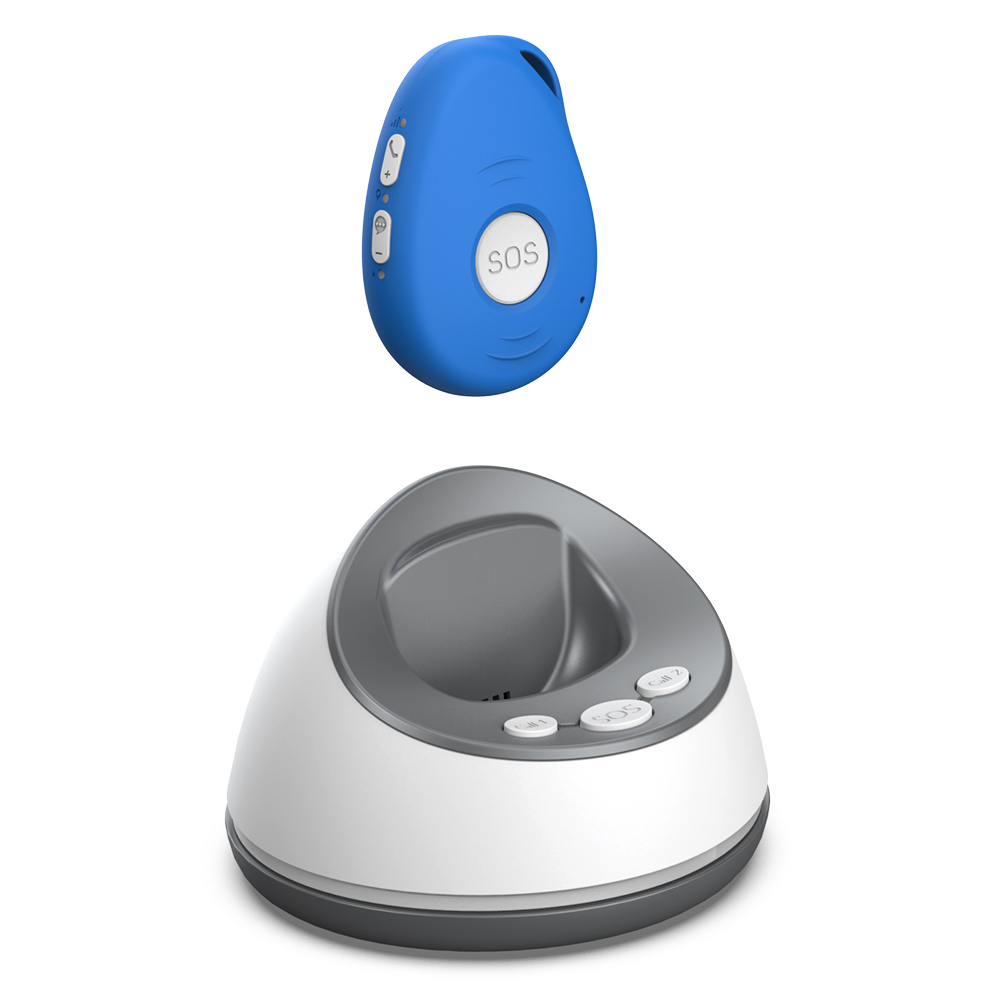
Battery life is another practical concern. If a pendant alarm dies every few days, it becomes a chore rather than a help. The best units on the market now offer battery life measured in months, and they give audible or app-based warnings before they run low. That means you can set it and forget it, which is exactly what you want from a safety device.
Waterproof device design is also critical. Seniors should not have to take their alarm off to shower or bathe, because that is exactly when falls are most likely. A true freedom medical alarm is waterproof to a standard that allows it to be worn in the shower or even while swimming. My mother never takes hers off, and that is the point.
Family Monitoring: How Caregivers Stay Connected
For families like mine, the ability to monitor from a distance is a game changer. Family monitoring through a mobile app means I can check that my mother is going about her day, and if she does not respond to a daily check-in, I get a notification. Some systems use an R U OK? feature that prompts the wearer to tap their pendant at a set time. If they do not respond, the system escalates to emergency contacts. It is a gentle way to keep an eye on things without being intrusive.
Two-way calling is another feature that makes a real difference. When my mother presses her pendant, she can speak directly to a responder or to me through the base unit. She does not have to fumble for a phone. That direct voice contact is reassuring for her and for us. It turns the device from a silent button into a communication tool.
Independence and Safety: Finding the Right Balance
The ultimate goal of any freedom medical alarm is to support independence. No senior wants to feel like they are being watched or that their freedom is being taken away. But the reality is that living alone carries risks. The right medical alert system does not take away independence; it protects it. Knowing that help is a button press away gives both the wearer and their family the confidence to keep doing the things they love.
For those living with conditions like dementia, the stakes are even higher. Alzheimer's New Zealand has long advocated for tools that help people with memory loss stay safe while maintaining as much autonomy as possible. A pendant alarm with GPS tracking can alert family members if the wearer wanders beyond a set boundary. This is not about locking someone in; it is about giving them the freedom to move safely.

There is also the question of who responds when an alarm is triggered. Some systems connect to a professional monitoring centre, while others alert family members directly. In New Zealand, both approaches have their merits. Professional responders through services like St John NZ can dispatch an ambulance quickly, but family members often want to be the first to know. The best systems let you choose, or they layer the response so that family gets notified first and professionals step in if no one answers.
What to Look for in a Pendant Alarm
If you are considering a pendant alarm for yourself or a loved one, here are a few practical things to think about:
- Range: Does it work only at home, or does it include GPS tracking for when the wearer is out and about?
- Fall detection: Is it automatic, or does it require the user to press a button?
- Battery life: How long does the device last between charges, and how do you know when it is low?
- Waterproof rating: Can it be worn in the shower without damage?
- Monthly fees: Are there ongoing costs, or is it a one-time purchase?
These questions matter because the best device is the one that actually gets worn every day. If it is uncomfortable, needs constant charging, or costs too much to keep active, it will end up in a drawer. And a device in a drawer is no use to anyone.
Real-World Experience: Why I Recommend This Approach
I have seen the difference a good medical alert system makes in my own family. My mother has had her freedom medical alarm for just over a year now. She has not had a major fall, but she has used it twice: once when she felt dizzy and once when she locked herself out of the house in the rain. Both times, she pressed the button, I got an alert through the mobile app, and we sorted it out quickly. She tells me it gives her peace of mind, and that is worth more than any monthly fee.
For caregivers, the benefit is just as real. I sleep better knowing that if something happens, I will know about it. I do not have to call her every morning to check in; the system does that for me. It reduces the mental load of worrying about a parent who lives alone.
Of course, no device can replace human connection. But a good pendant alarm can be the thing that lets a senior stay in their own home for longer, with all the comfort and familiarity that brings. That is the real promise of this technology: safety without sacrifice.

If you are looking into options, talk to the wearer about what they want. Some people prefer a wristband; others find a pendant more comfortable. Some want GPS tracking; others just need home coverage. The right choice depends on their lifestyle. What matters is that the conversation happens, and that the decision is made together.
Freedom medical alarms are not a magic solution, but they are a practical tool that can make a real difference. For seniors in New Zealand who want to age in place, and for the families who love them, they are worth considering. The peace of mind they bring is real, and the independence they protect is priceless.